













What Happens If Hearing Loss Goes Untreated?

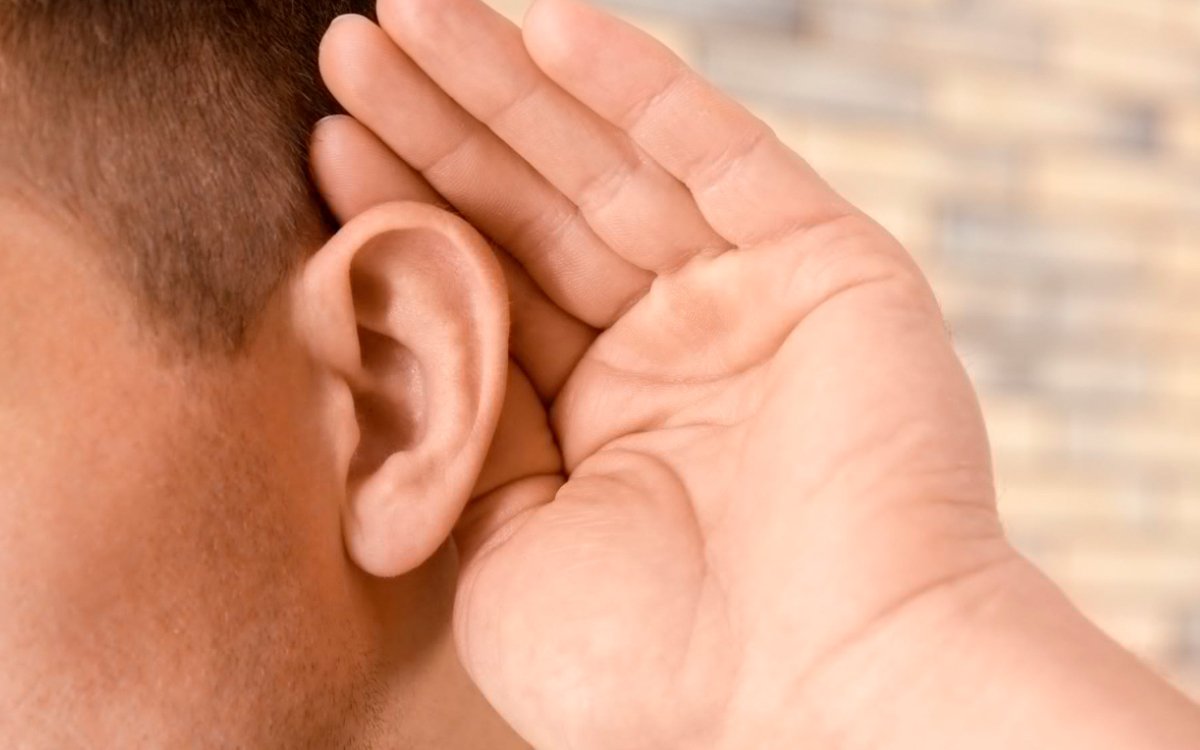
If you’ve noticed you’re not hearing as well as you used to—but you’re thinking, “It’s not that bad yet”—you are not alone. Many people wait years before seeking treatment for their hearing. In fact, the average person with hearing loss may delay treatment for up to ten years. But here’s the truth: untreated hearing loss affects more than just the ears. It has an impact on your brain, mood, relationships, and even your physical well-being.
In this article, we’ll explain—in plain language—why hearing loss should never be neglected, what might happen if it goes untreated, and how seeking treatment can protect your quality of life now and in the future.
- “My hearing isn’t that bad yet” – or is it?
It’s easy to convince yourself that your hearing isn’t “bad enough” to need hearing aids. However, hearing loss usually occurs gradually, and you may not even realize how much you have lost. Often, your spouse, friends, or coworkers notice before you do.
You might catch yourself doing some of the following:
- Asking people to repeat themselves more often
- Feeling exhausted after social events or phone calls
- Struggling to follow conversations in noisy places
- Turning the TV up louder than others prefer
- Avoiding group conversations or withdrawing socially
All of these are indications that your hearing is affecting your daily life, even if you believe it is “not that bad.”
- Untreated Hearing Loss Affects Your Brain
Did you know that hearing occurs in both the brain and the ears?
Your ears absorb noises, but it is your brain that converts them into meaning. When your hearing fades, your brain receives less stimulation. And, over time, the areas of your brain may shrink or be “reassigned” to different jobs. This is known as auditory deprivation.
Researchers discovered that untreated hearing loss might cause cognitive decline and potentially increase your risk of dementia.
- People with mild hearing loss are 2 times more likely to develop dementia.
- With moderate hearing loss, the risk triples.
- Severe hearing loss increases the risk 5-fold.
When the brain needs to work extra hard to fill in the gaps caused by garbled or missing sounds, it has less energy for other vital functions such as memory, attention, and problem solving.
- Social Isolation and Depression
Hearing loss is more than just missing out on sounds; it also means missing out on life.
When conversations grow difficult or draining, many individuals begin to withdraw. Perhaps you’ve stopped going to noisy restaurants, avoided parties, or found yourself smiling and nodding even when you didn’t understand what someone was saying. Over time, such habits may lead to:
- Loneliness
- Depression
- Loss of confidence
- Feeling left out or disconnected
People are social beings. When we lose our ability to speak effectively, we lose more than simply sound; we also lose connection, which is critical for mental and emotional wellness.
- Hearing Loss Affects Your Focus and Work Performance
Hearing loss has an impact not only on your personal life but also on your professional performance. When your brain works overtime to fill in missing words or understand ambiguous noises, you may feel more intellectually exhausted at the end of the day.
This persistent effort can result in:
- Difficulty concentrating in meetings
- Misunderstanding instructions
- Trouble keeping up in group discussions
- Feeling left out in team environments
- Increased stress and burnout
Untreated hearing loss can have a negative influence on your confidence, productivity, and even career progression in occupations that need a lot of communication—whether in person, over the phone, or in noisy situations.
The good news is that many people report feeling more focused, less tired, and more confident at work after using hearing aids.
- Early Treatment Boosts Emotional and Social Well-Being
Getting aid for hearing loss is about more than just sound; it is also about how you feel on a daily basis.
Many people remark that as their hearing improves, they also feel:
- More confident in conversations
- More engaged in social activities
- Less embarrassed or anxious in noisy situations
- More independent and in control
- More connected to family, friends, and the world around them
Instead of retreating or avoiding engagement, you’ll feel inspired to reenter the conversation and resume full participation in life.
Hearing aids and early intervention are more than simply medical instruments; they also help to protect your emotional health and restore your sense of connection.
- The “Use It or Lose It” Problem
Your brain improves at what you utilize it for. If you don’t use your hearing, your brain may gradually lose its capacity to process sound clearly—even if you decide to try hearing aids.
This is why audiologists advise, “Use it or lose it.”
When one ear is treated and the other is neglected, the untreated ear may fall further behind. Over time, your brain may have difficulty interpreting speech, particularly in complicated contexts.
Good news:This decline may not be permanent. Many people report that hearing aids and auditory training increase their understanding and brain function significantly.
- Common Myths That Stop People from Getting Help
Let’s clear up some common excuses people give for not treating their hearing loss:
“Wearing hearing aids means I’m old.”
Modern hearing aids are compact, inconspicuous, and sophisticated. Staying connected keeps you fresh in heart and mind.
“Hearing aids look ugly.”
Reality: Today’s technologies are slim, almost invisible, and even come in fashionable hues. Many are concealed behind the ear or behind the ear canal.
“They’re hard to use.”
Reality: Although there is an adjustment period, today’s hearing aids are easier to use than before. Most include trial periods and audiological support to help you adapt.
- Hearing Aids Improve More Than Just Hearing
Treating hearing loss enhances your capacity to hear—but more significantly, it keeps you linked to the world around you. The benefits include:
- Better communication with loved ones
- Less mental fatigue
- Reduced risk of depression
- Better memory and focus
- Improved social life
- Reduced risk of cognitive decline
- Safer navigation of daily environments
According to research, individuals who use hearing aids report a higher quality of life, increased independence, and confidence.
- Getting Used to Hearing Aids: What to Expect
Unlike spectacles, hearing aids take some time to adjust to. Sounds, such as your own voice or the hum of the refrigerator, may initially appear overly loud or unusual.
But that is typical. You are not only learning to hear again; your brain is also learning. Most people acclimate after a few weeks, and with regular use, your brain will adapt.
Avoid “hearing aid holidays” by just wearing your hearing aids when sleeping. The more you wear them, the quicker you’ll adapt.
- Auditory Rehabilitation: Training Your Brain to Hear Again
Auditory training, or aural rehabilitation, similar to physical therapy for the ears and brain, is often beneficial in addition to hearing aids.
You can try:
- Listening to audiobooks
- Using hearing training apps or games
- Practicing conversations in quiet settings
- Group sessions or classes offered by hearing centers
These methods can help reduce listening fatigue and make everyday communication feel more manageable again.
- Don’t Wait: Early Action Is Key
These methods can help reduce listening fatigue and make everyday communication feel more manageable again.
- Hearing screenings every 10 years until age 50
- Every 3 years after age 50
Even if you don’t have any evident abnormalities, regular hearing tests can detect changes early on—before your brain begins to change or you withdraw socially.
- Final Thoughts: Hearing Better, Living Better
Hearing loss is not only a nuisance; it can have serious ramifications for your health, happiness, and relationships. However, you are not forced to accept it.
Treating hearing loss is not about age; it is about quality of life. It’s about staying connected, sharp, and true to yourself.
If you or someone you care about has been putting off getting a hearing test, now is the moment to take action. Your future self will appreciate you.
Take the First Step Today
Schedule a hearing test with an audiologist.
If you have any health concerns, speak with your doctor.
If you already have hearing aids, wear them consistently and schedule regular adjustments.
Remember that hearing well is not a luxury. It’s an essential component of living well.
You deserve to hear what’s going on around you. Don’t let untreated hearing loss limit your life’s potential.


