













How to Use Hearing Protection Properly: A Guide Backed by Research

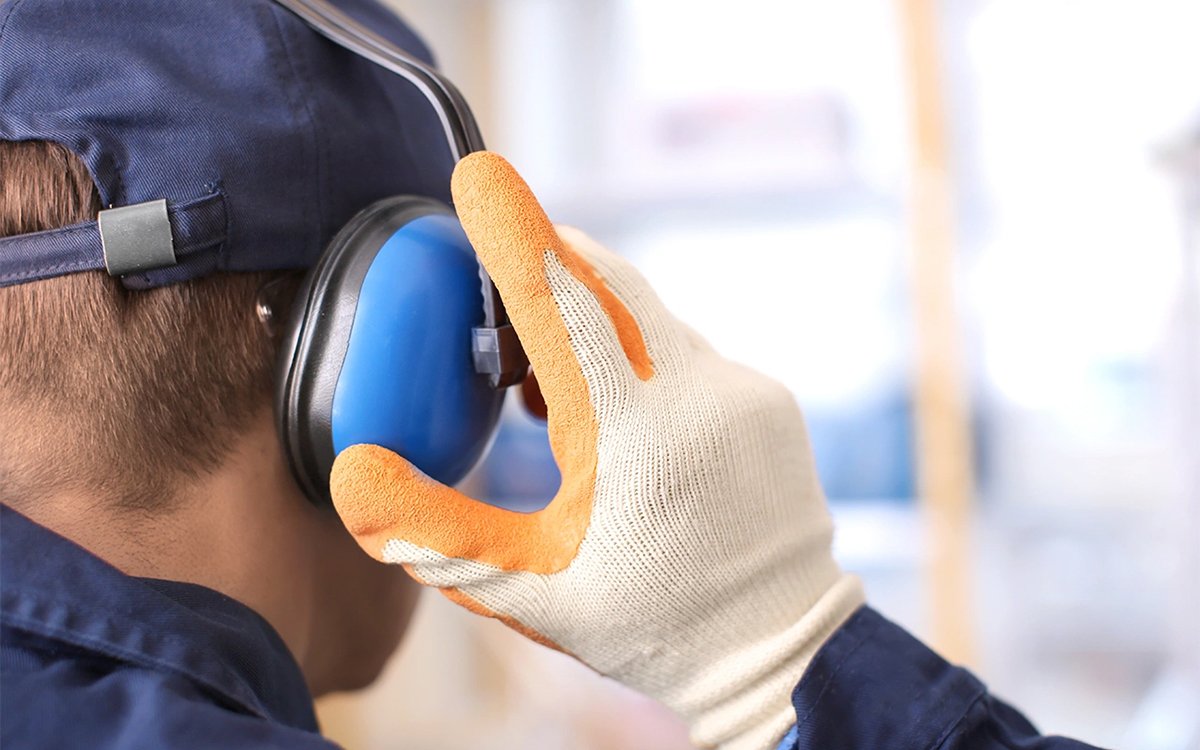
Noise-induced hearing loss (NIHL) is a permanent, fully preventable illness that affects millions of people worldwide. While wearing hearing protection is a recognized technique for preventing such damage, its success is heavily dependent on proper use. According to research, incorrect usage of hearing protection devices (HPDs) significantly diminishes their efficacy, exposing patients to irreparable hearing damage. This tutorial, based on scientific results and practical recommendations, shows how to use hearing protection effectively in real-world circumstances.
1. Why Proper Use of Hearing Protection Matters
It is not enough to merely wear hearing protection; how you wear it influences its efficiency. According to the National Institute for Occupational Safety and Health (NIOSH), if a foam earplug is not properly put in, it may only reduce noise by 10 decibels. This can mean the distinction between safe and harmful exposure. Furthermore, irregular use, such as taking earplugs out for a few minutes during a noisy event, can completely destroy the protective effect.
According to occupational studies, more than 60% of workers who use hearing protection do not obtain enough attenuation due to a bad fit or inadequate usage. This emphasizes the significance of training and awareness, particularly in noisy contexts such as construction sites, concerts, shooting ranges, and even when using domestic power tools.
2. Types of Hearing Protection and How to Use Them Correctly
There are various types of hearing protection devices available, each tailored to a different environment and user preferences. The most popular types include foam earplugs, pre-molded earplugs, earmuffs, and custom-molded plugs. Here’s how to use each type correctly.
2.1 Foam Earplugs
Foam earplugs are disposable and made of soft, compressible material. To use them correctly:
1. Roll the earplug between your fingers to make it thin.
2. Reach over your head with the opposite hand and pull your ear upward to straighten the ear canal.
3. Insert the compressed earplug deep into your ear canal.
4. Hold it in place for 20-30 seconds while it expands and seals the canal.
When properly installed, the majority of the earplug should not stick out. A poor fit causes hazardous noise to leak through the plug, making it almost worthless.
2.2 Pre-molded Earplugs
These reusable plugs are constructed of silicone, plastic, or rubber and come in various sizes. To insert them:
1. Clean them before each use.
2. Pull the ear upward and outward.
3. Gently insert and twist the plug into place to achieve a snug fit.
Check that both plugs fit snugly and without discomfort. Loose or incorrectly sized plugs will not provide the rated protection.
2.3 Earmuffs
Earmuffs cover the entire outer ear and are best suited for short-term exposure or those who find plugs bothersome. How to use them:
1. Place the ear cups over your ears, ensuring a full seal.
2. Adjust the headband to ensure equal pressure on both ears.
3. Make sure nothing interferes with the seal—like hair, glasses, or headgear.
For maximum performance, keep the cushions clean and undamaged. Replace worn cushions to ensure protection.
2.4 Custom-Molded Earplugs
These are built using a mold of your ear canal and offer a superb fit and comfort. They are especially useful for musicians, industrial workers, and those with unusual ear shapes. Consult an audiologist to have them fitted professionally.
3. Fit Testing: How to Know If Your Protection Is Working
A good fit is crucial for maximum protection. Fit testing is a technique that ensures your HPDs offer the required attenuation. There are two types of fit tests:
– **Subjective Fit Testing**: The user listens to a test tone with and without protection to estimate the reduction in noise.
– **Objective Fit Testing**: Devices like 3M’s E-A-Rfit measure sound pressure levels inside and outside the ear canal to calculate actual attenuation.
NIOSH and OSHA encourage fit testing in workplaces, particularly when hearing conservation measures are in place. Individuals who wear hearing protection recreationally can perform a simple test: if you can still hear someone speaking clearly nearby, your protection may not be working properly.
4. Common Mistakes When Using Hearing Protection
Despite having excellent intentions, many users make blunders that render their hearing protection ineffective. Common errors include:
– Inserting earplugs too shallowly
– Wearing earmuffs over a beanie or hood
– Using damaged or dirty plugs
– Reusing disposable plugs too many times
– Taking off protection momentarily during exposure
– Not replacing worn-out earmuff cushions
These habits not only limit protection but also create a false sense of security, which can hasten hearing loss over time.
- Real-Life Scenarios Where Proper Use Matters Most
Let’s take a look at some real-world scenarios when wearing hearing protection correctly can make a big difference in hearing health.
- At Concerts and Music Festivals
Loud music, especially when played for several hours, is a common cause of temporary or permanent hearing loss. Concerts frequently have sound levels between 100-120 decibels, which are far higher than the recommended limit of 85 decibels.
Using filtered musicians’ earplugs can help protect your hearing while still allowing you to enjoy music. These earplugs are designed to reduce volume equally across all frequencies, ensuring that the sound quality stays rich and realistic.
Pro tip: Always wear earplugs before approaching the venue. Even a brief delay can expose you to unexpected, harmful sound peaks.
- While Using Power Tools or Machinery
Whether you’re performing DIY at home or working in a factory, power tools like drills, saws, and grinders make a loud noise. Earmuffs or foam earplugs are necessary.
However, many DIY enthusiasts overlook the dangers of short-term loud noises. Even 15 minutes of unprotected exposure to 100 decibels can cause damage.
If you use tools frequently, you should consider dual protection and evaluate your gadgets on a regular basis for wear and tear.
- Motorcycling and Motorsport
Wind noise at high speeds can exceed 95 dB—even with a helmet. Riders often don’t notice the damage because it’s gradual and painless.
Custom earplugs or wind-filtering plugs reduce this constant noise without blocking out essential sounds like horns or engine vibrations.
Did you know? A 2-hour ride at highway speed without hearing protection can result in a temporary threshold shift, making your ears feel “clogged” for hours afterward.
- Shooting Sports and Hunting
Gunfire generates extremely loud sound levels, frequently exceeding 140 decibels. Even a single shot without protection might result in quick, lifelong injury.
Use earmuffs with a high NRR (Noise Reduction Rating), and consider electronic earmuffs that block gunfire while allowing you to hear conversation and ambient sound.
Hunter’s advice: For group hunts, use equipment that allows you to detect directional sound while remaining safe.
Cultural Barriers and Myths About Hearing Protection
Many people avoid using hearing protection because of beliefs like:
- “It makes me look silly.”
- “It’s uncomfortable.”
- “I don’t need it if I’m used to loud sounds.”
These notions are hazardous and outmoded. Hearing loss is not a sign of toughness, and once lost, it is irreversible.
Fact: According to studies, more than 80% of noise-exposed workers develop some form of hearing loss by the age of 50, with many never wearing hearing protection.
5. Maintenance and Hygiene
It is vital to keep your hearing protection clean and functional over time. Here is how.- **Foam Earplugs**: Should be discarded after each use, especially if dirty or compressed.
– **Reusable Plugs**: Clean with mild soap and water after each use and store in a dry container.
– **Earmuffs**: Wipe cushions and headband with disinfectant wipes. Replace if cracked or hard.
– **Custom-Molded Plugs**: Clean as per manufacturer’s instructions and store in a protective case.
Never exchange earplugs or earmuffs since they can transfer bacteria and cause ear infections.
6. What Research Says About Correct Usage
Numerous studies have confirmed that proper use considerably improves the efficiency of hearing protection. Research published in “The Journal of Occupational and Environmental Hygiene” discovered that personnel who received hands-on training in earplug insertion had 50% higher attenuation than those who only received written instructions.
Similarly, the National Hearing Conservation Association (NHCA) recommends that hearing protection, like all other safety equipment, should be evaluated on a regular basis, correctly fitted, and maintained.
In another 3M study, just 30% of users met the rated Noise Reduction Rating (NRR) when left untrained. After sufficient instruction, that figure increased to more than 85%. This indicates how raising awareness and providing information can have a direct impact on hearing health outcomes.
7. Final Tips and Conclusion
Hearing protection is an effective tool—but only when used properly. Here are some final tips to get the most of your devices:- Practice inserting earplugs in front of a mirror.
– Try different types to see what fits you best.
– Carry earplugs with you in noisy environments.
– Pay attention to comfort—discomfort often leads to improper use.
– Educate your family and coworkers about proper protection use.
Finally, protecting your hearing requires a lifetime commitment. Whether you’re at a concert, working on a construction site, mowing the lawn, or using power tools, having proper hearing protection keeps your ears safe. Don’t just wear hearing protection—wear it right.


