













Choosing the Right Hearing Protection: What Science Says

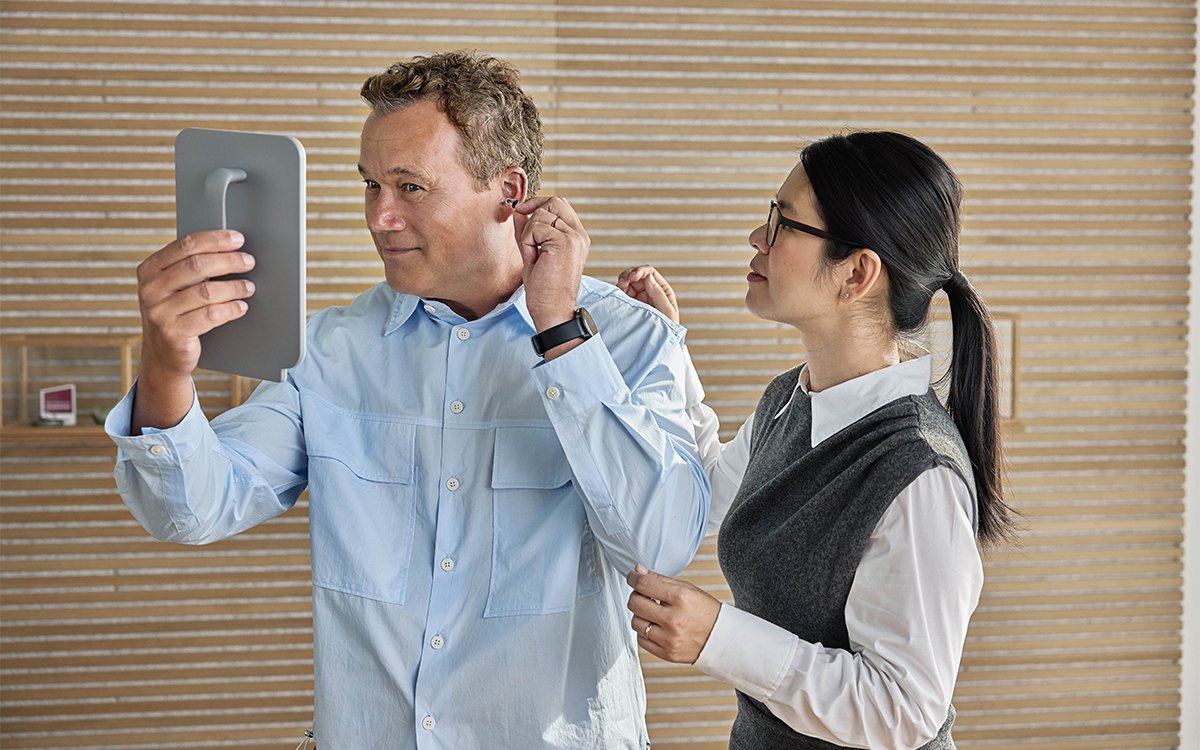
Noise-induced hearing loss (NIHL) is one of the most common but underappreciated health hazards in today’s industrial and recreational settings. It does not occur immediately like an accident; rather, it grows gradually, frequently going unrecognized until permanent damage is done. Chronic exposure to sounds above 85 decibels (dB), whether from traffic, concerts, or industrial machines, can cause irreversible hearing impairment.
The World Health Organization (WHO) estimates that over 1.1 billion young people worldwide are at risk of hearing loss as a result of dangerous listening practices. Fortunately, hearing protection devices (HPDs) provide a simple but effective defense—if chosen and used correctly.
This article explains the science behind earplugs and earmuffs, evaluates their performance, and provides tools to help you select the best protection for your lifestyle, career, and ears.
Understanding Hearing Protection Devices (HPDs)
Hearing protection devices are gadgets that lower the intensity of sound waves before they reach your eardrum. While they may not completely eliminate noise, they can greatly reduce it to safe levels—usually between 15 and 35 decibels, depending on the device.
Types of Hearing Protection:
- Earplugs
- Inserted into the ear canal
- Come in disposable foam, reusable silicone, and custom-molded versions
- Lightweight and discreet
There are various types of earplugs, including custom models (shown), disposable foam earplugs, and reusable earplugs.
- Earmuffs
- Cover the entire external ear with cushioned cups
- Held in place with a headband
- Often bulkier but easier to apply correct
It’s a type of earmuff that covers the entire external ear and protects against loud noises from causing hearing loss.
- Canal Caps
- Semi-insert earplugs held with a flexible band
- Often used for intermittent protection
Canal caps
- Electronic HPDs
- Allow selective sound filtering (e.g., allow speech, block harmful noise)
- Common in military, law enforcement, and music industries
Electronic HPDs ( earmuff kind)
What Is NRR and How Is It Measured?
The Noise Reduction Rating (NRR) is a defined unit of measurement that indicates how much noise hearing protection lowers. It is usually expressed in decibels (dB) and indicated on product packaging. For example, an earplug with an NRR of 32 dB potentially reduces ambient noise from 100 dB to 68 dB.
However, NRR is determined under ideal laboratory settings, in which skilled technicians properly insert the HPDs and users remain still in a soundproof booth. Real-life scenarios are messier: users sweat, move, chat, and frequently abuse the device. Thus, actual protection is often lesser.
Real-world Adjustment Formula:
NIOSH and OSHA recommend a cautious estimate of real-world effectiveness as follows:
- Earplugs: Reduce labeled NRR by 50%
- Earmuffs: Reduce labeled NRR by 25%
Thus, if your foam earplugs claim to lower 30 dB, you’ll likely obtain only 15 dB of protection unless you’re trained in appropriate insertion.
How Do You Know If It’s Loud Enough for Protection?
It is not always essential to use a sound level meter to determine whether your hearing is compromised. Consider the following real-world signs:
- You have to raise your voice to speak to someone 1 meter away
- You experience ringing in your ears after leaving the environment
- Speech sounds muffled after exposure
- You feel a sense of “pressure” in your ears
Many everyday instruments and activities go above the safe threshold:
- Hair dryer: 90 dB
- Motorcycle: 95 dB
- Chainsaw: 110 dB
- Rock concert: 115–120 dB
- Firearms: 140–160 dB
In such instances, even brief exposure without protection might be hazardous.
Scientific Comparison: Earplugs vs. Earmuffs
Effectiveness
When properly worn, earplugs and earmuffs can provide good protection. However, their usefulness is dependent on sound frequency, user behavior, and fit.
Criteria Earplugs Earmuffs
Frequency Better at low-frequency noise Better at high-frequency noise
Portability High Moderate to low
Fit variability High (requires training) Low (easy to wear correctly)
Compatibility Good with helmets/glasses Can interfere with PPE
Comfort Good in hot environments Better in cold environments
Scientific Findings
A 2020 meta-analysis in the International Journal of Audiology found that user education was more important than device type. Participants who were taught how to employ foam earplugs had much higher attenuation than those who used earmuffs without coaching.
Furthermore, research conducted by the National Hearing Conservation Association (NHCA) found that custom-molded earplugs, which are commonly used by musicians, gave the highest level of both comfort and protection.
When to Use Double Protection
For noise levels over 100 dB, such as at shooting ranges or during military drills, experts recommend double hearing protection—wearing both earplugs and earmuffs.
How Much Protection Does That Give?
Unlike popular perception, the NRRs are not additive. OSHA recommends:
Effective NRR = Higher NRR device + 5 dB
So, if you wear:
- Earplugs (NRR 30)
- Earmuffs (NRR 25)
→ Effective protection = 30 + 5 = 35 dB
This combination can reduce harmful 120 dB exposure to 85 dB, which is within the acceptable limit for an 8-hour shift.
Comfort, Fit, and Compliance: The Real World Challenge
The most technologically advanced hearing protector is useless if not worn correctly—or at all. In the real world, compliance is generally determined by comfort, convenience of use, and communication ability rather than technical specifications.
Common Mistakes:
- Foam earplugs not inserted deep enough (most common error)
- Earmuffs not sealing due to long hair, glasses, or helmet straps
- Removing HPDs “just for a moment” in high-noise zones
- Assuming one-size-fits-all products will always work
Solutions:
- Fit-testing programs using devices like the 3M™ E-A-Rfit™ system
- Training videos and workplace demonstrations
- Use of “push-to-fit” or pre-molded earplugs that are easier to apply
- Choosing designs that accommodate other PPE (e.g., low-profile earmuffs)
2023 workplace research in Occupational Health & Safety discovered that organizations that implemented required training and fit-testing experienced a 40% reduction in threshold shifts (early hearing loss signs) in their personnel.
New Innovations in Hearing Protection
The future of hearing protection is intelligent, adaptable, and individualized.
Trending Technologies:
- Electronic earplugs: Amplify speech, block sudden loud sounds
- Noise-monitoring apps: Warn you when your exposure reaches dangerous levels
- Bluetooth earmuffs: Let workers communicate via radio while staying protected
- Custom earplugs: Created from molds of your ear canal; used by musicians, dentists, and pilots
- Integrated HPD systems: Used in military and aviation to adjust protection dynamically based on ambient noise
The United States Department of Defense is now offering smart tactical headsets that balance noise reduction and situational awareness—a trend that is likely to reach consumers shortly.
Hearing Protection for Children and Teens
Children are especially vulnerable to noise-induced damage, although they are frequently exposed to noisy toys, music, fireworks, and stadium events.
Tip for Parents:
- Use earmuffs specifically sized for children
- Teach kids to lower the volume on devices (follow the “60/60 rule”: 60% volume for no more than 60 minutes)
- Model good behavior—wear HPDs yourself so they follow suit
- Avoid noisy environments when possible
According to the American Academy of Pediatrics’ 2022 study, 17% of youth are already showing signs of early NIHL, the majority of which is caused by recreational exposure.
How to Choose the Right HPD for Your Needs
There are no one-size-fits-all solutions. Consider the following factors:
- Noise level – Use a decibel meter app or ask your employer
- Duration – Longer exposure needs higher protection
- Environment – Heat, humidity, and other PPE may affect comfort
- Communication needs – Choose electronic HPDs if you must talk or hear alarms
- Mobility – Workers who move around need portable and secure options
- Personal preference – The best HPD is one you’ll actually wear!
When in doubt, seek tailored guidance from an audiologist or occupational health professional.
Conclusion
Hearing loss is imperceptible, irreversible, and frequently preventable. Whether you’re a construction worker, musician, hunter, or simply someone who appreciates loud concerts, protecting your hearing now is much easier than repairing it later.
Both earplugs and earmuffs have been shown in scientific studies to be effective tools, but only when worn correctly and regularly. With increased awareness, innovative technology, and access to training, you now have more alternatives than ever to keep your hearing for a lifetime.
Choose intelligently, dress appropriately, and educate others. Your future self will appreciate you.


