













Behind-The-Ear (BTE) Hearing Aids

Introduction
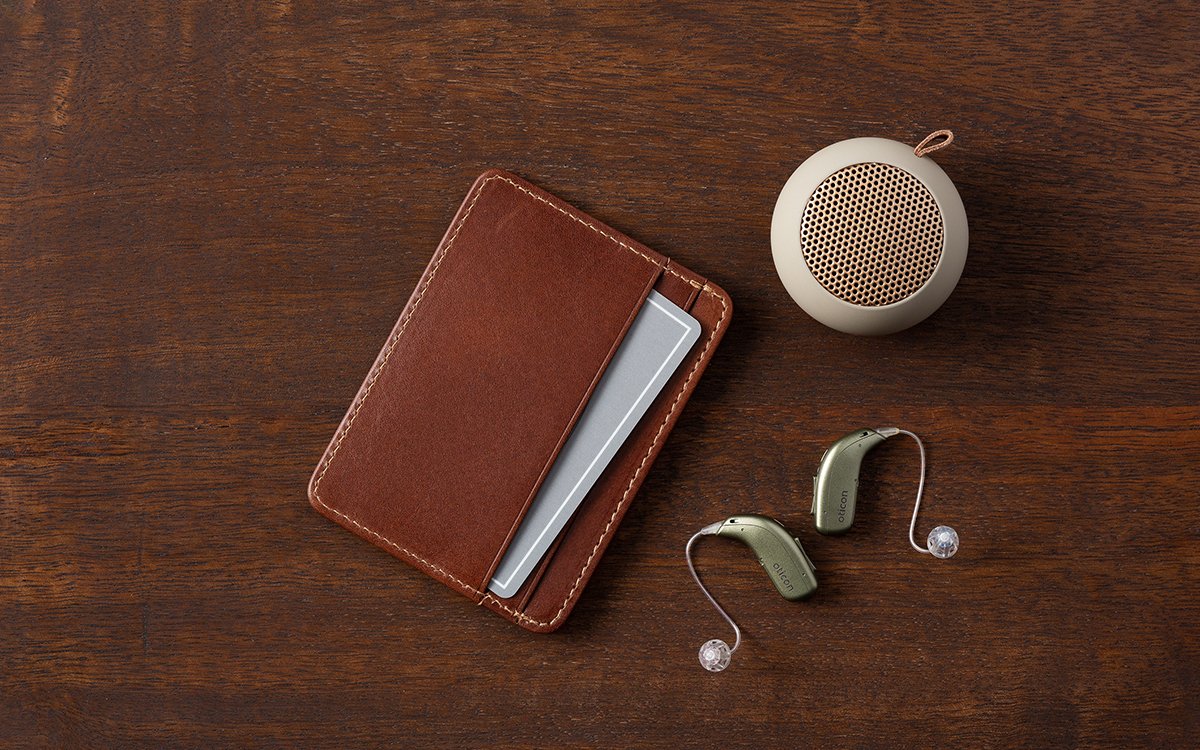
Behind-the-ear (BTE) hearing aids are among the most popular and adaptable forms of hearing aids available today. They have been in use for decades, but modern designs are significantly more advanced, comfy, and inconspicuous than their predecessors. BTE hearing aids are worn behind the ear and use a tiny tube or ear hook to direct sound into an earmold or dome that fits inside the ear canal.
These devices are appropriate for individuals of all ages and with varying degrees of hearing loss, from light to profound. They are well-known for their longevity, convenience of use, and ability to hold powerful amplification technologies. In this post, we will go over how BTE hearing aids function, their pros and drawbacks, the fitting procedure, maintenance advice, and how to select the best one for your needs.
How BTE Hearing Aids Work
[Put diagram of BTE hearing aid parts here]
BTE hearing aids have a tiny, curved casing that fits nicely behind the ear. This case includes the majority of the device’s critical components, including:
- Microphone(s) – Captures sound from the environment.
- Processor/Amplifier – Processes and amplifies the sound according to the user’s hearing profile.
- Receiver (Speaker) – Sends the amplified sound into the ear canal through tubing or an earmold.
- Battery or Rechargeable Power Source – Powers the device.
- Controls/Buttons – Allow volume adjustments or program changes
Modern BTE devices commonly include:
- Directional microphones for focusing on speech in noisy environments.
- Noise reduction algorithms to improve listening comfort.
- Bluetooth connectivity for streaming calls, music, and TV audio.
- Feedback cancellation to reduce whistling.
Sound enters the microphone, which processes and amplifies it before passing via the tube to the earmold or dome inside the ear canal.
Types of BTE Hearing Aids
[Put picture comparing standard BTE and mini BTE here]
BTE hearing aids come in a few variations:
- Standard BTE – Larger in size, powerful enough for severe to profound hearing loss, often paired with a custom earmold.
- Mini BTE (Slim Tube) – Smaller and more discreet, often paired with an open-fit dome for mild to moderate hearing loss.
Who Can Benefit from BTE Hearing Aids
BTE devices are suitable for:
- Children – Easy to adjust as they grow; earmolds can be replaced without replacing the whole device.
- Adults with severe hearing loss – More amplification power than many smaller styles.
- People with dexterity challenges – Larger controls and easy-to-handle batteries.
- Individuals with chronic earwax issues – Easier cleaning and less risk of damage compared to in-the-ear devices.
Advantages of BTE Hearing Aids
- Powerful Amplification – Suitable for all levels of hearing loss.
- Durability – Less exposure to moisture and earwax since the electronics sit outside the ear canal.
- Ease of Maintenance – Tubes and earmolds can be replaced easily.
- Feature Availability – Often have more room for advanced technology, like Bluetooth, telecoils, and directional microphones.
- Comfort – Weight is distributed behind the ear, reducing pressure inside the ear canal.
- Battery Options – Available in both disposable and rechargeable versions.
Potential Drawbacks of BTE Hearing Aids
- Visibility – While smaller than in the past, still more visible than in-the-ear styles.
- Wind Noise – Microphones positioned outside the ear can pick up more wind interference.
- Earmold Comfort – Some people may find custom earmolds warm or occluding.
Fitting Process for BTE Hearing Aids
- Hearing Evaluation – An audiologist performs a hearing test to determine hearing loss type and severity.
- Selection of Device – Based on your hearing needs, lifestyle, and budget.
- Ear Impressions – For custom earmolds if required.
- Initial Programming – Device is tuned to your hearing profile.
- Follow-Up Appointments – Fine-tuning and adjustments to ensure comfort and performance.
Care and Maintenance Tips
- Wipe the device daily with a dry, soft cloth.
- Keep tubing clear and free from blockages.
- Avoid exposing the device to moisture (remove before showering/swimming).
- Store in a dry container overnight.
- Have tubing and earmolds replaced periodically.
- Keep away from extreme temperatures.
Troubleshooting Common Issues
- No sound – Check battery, replace tubing if blocked.
- Whistling feedback – Ensure earmold fits snugly.
- Distorted sound – Have microphone ports cleaned professionally.
Comparison: BTE vs. RIC vs. In-the-Ear Models
[Put comparison chart picture here]
- BTE – Most powerful, durable, suitable for all ages.
- RIC – Smaller, with speaker in ear canal for clearer high frequencies.
- In-the-Ear – Most discreet but less powerful, more prone to moisture damage.
Frequently Asked Questions (FAQs)
Q: Will people notice I’m wearing a BTE hearing aid?
A: Modern BTEs are slim and come in colors to match hair or skin, making them less noticeable.
Q: Can I wear BTE hearing aids with glasses?
A: Yes, though it may take a short adjustment period to find the most comfortable fit.
Q: How long do BTE hearing aids last?
A: With proper care, 5–7 years is common.
Q: Can BTEs handle severe hearing loss?
A: Yes — they’re one of the best styles for profound loss.
Future Trends in BTE Hearing Aids
- Smaller, sleeker designs
- Artificial intelligence for speech clarity
- Better wind-noise reduction
- Direct language translation features
Technology Features in Modern BTE Hearing Aids
[Put picture of modern BTE with Bluetooth icon here]
- Bluetooth Connectivity – For streaming calls, music, and TV audio.
- Directional Microphones – To focus on speech in noisy settings.
- Rechargeable Batteries – For convenience and cost savings.
- Telecoil (T-Coil) – For use with hearing loop systems in theaters, churches, etc.
- Noise Reduction – Filters out background noise for clearer speech.
Cost and Insurance Considerations
BTE hearing aids can cost anywhere from $1,000 to over $4,000 per ear, depending on technology and features. Some insurance plans provide partial coverage, and payment options are frequently offered. Over-the-counter solutions for mild to moderate hearing loss are now available; however, they may not be as customizable or powerful as prescription devices.
Adjusting to BTE Hearing Aids
Most people take several weeks to fully adjust to their hearing aids. Wearing them on a regular basis helps your brain adjust to new sound input. Begin in quieter situations, then progress to noisier settings to increase comfort and confidence.
Summary
BTE hearing aids provide a combination of power, durability, and feature-rich design, making them appropriate for a wide range of users. While they may be more apparent than other smaller types, their versatility and dependability make them the preferred option for many patients. With correct fit and care, a BTE device can greatly improve hearing and quality of life.


