













Connect to Your World with Modern Bluetooth Hearing Aids

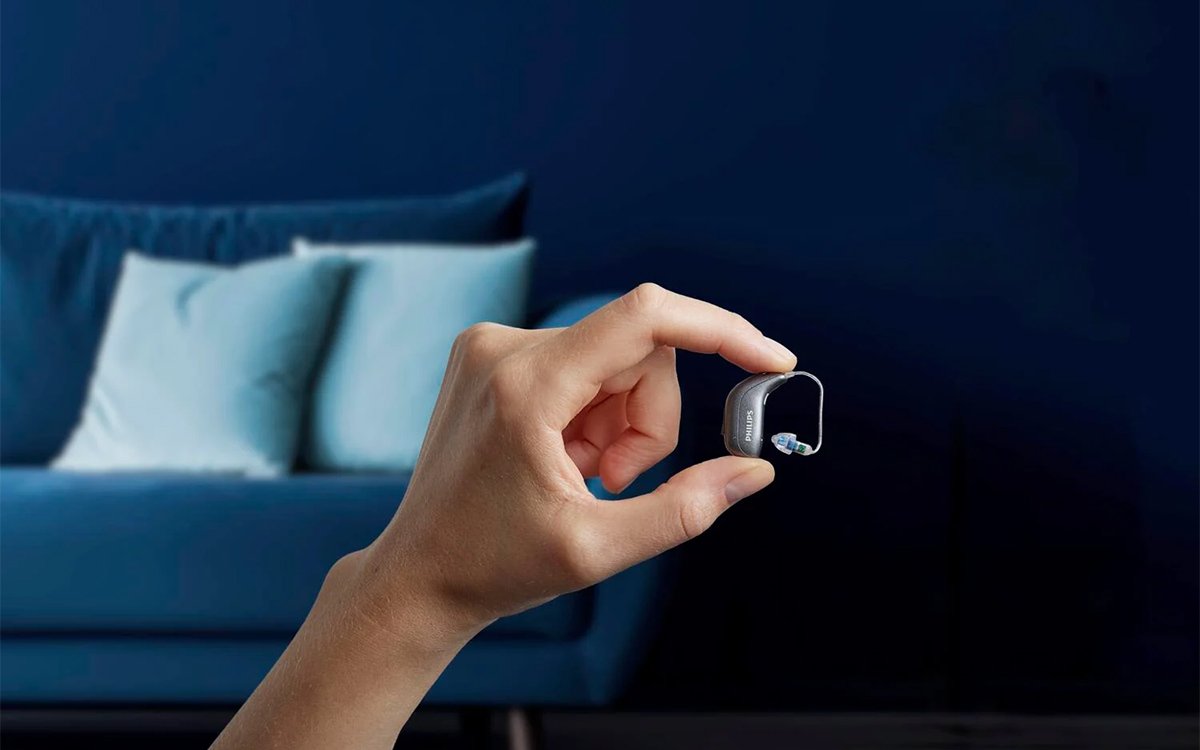
You’ve probably seen various electronic gadgets that can wirelessly link to your phone, laptop, television, or other smart devices. I’m talking about devices like AirPods, Bluetooth earbuds, and wireless headphones, which have become a part of our daily life. These technologies make it easier to communicate with others, consume multimedia information, and generally improve our quality of life in subtle but significant ways.
Imagine for a moment that a hearing aid could provide all of these modern comforts. What if individuals with hearing loss could enjoy the convenience of wireless streaming, smooth phone calls, customizable audio control, and connectivity with their favorite devices, all while receiving advanced, individualized hearing support?
That’s precisely what Bluetooth hearing aids do. Companies such as Oticon and Philips have used current technologies to alter the hearing aid experience. These are no longer just medical equipment; they are smart companions that allow users to connect with their surroundings in a deeper and more immersive way.
Let’s take a closer look at how Bluetooth-enabled hearing aids are changing people’s lives by making hearing care more integrated, intuitive, and pleasant than ever.
A Seamless Connection to Modern Life
One of the most valuable features of Bluetooth hearing aids is their ability to connect wirelessly to a wide range of devices. Whether you’re using a smartphone, tablet, laptop, or smart TV, Bluetooth technology makes it possible to stream sound directly into your hearing aids.
This means users no longer have to struggle with distorted sound or try to catch the audio from a distance. Phone conversations become clearer. Music sounds richer. Videos are more enjoyable. Podcasts are easier to follow. And perhaps most importantly, people with hearing loss feel more included in the digital world.
Oticon hearing aids, for instance, are designed to work effortlessly with both iOS and Android platforms. Whether you’re using an iPhone, iPad, MacBook, or Android device, the pairing process is smooth and user-friendly. You can take phone calls directly through your hearing aids, listen to YouTube videos, or follow Zoom meetings—all without needing extra accessories.
Direct Streaming: Simple, Smooth, and Powerful
One of the most useful advantages of Bluetooth hearing aids is their ability to wirelessly connect to various devices. Bluetooth technology allows you to stream sound directly into your hearing aids from any smartphone, tablet, laptop, or smart TV.
This means that users no longer have to deal with distorted sounds or attempt to capture them from a distance. Phone conversations get clearer. Music sounds fuller. Videos are more enjoyable. Podcasts are easier to follow. And, maybe most importantly, people with hearing loss feel more integrated into the digital world.
Oticon hearing aids, for example, are designed to seamlessly integrate with both iOS and Android systems. Whether you’re using an iPhone, iPad, MacBook, or Android device, the pairing process is simple and intuitive. You may take phone conversations straight through your hearing aids, listen to YouTube videos, and participate in Zoom meetings without the need for additional gear.
Personalized Control at Your Fingertips
The days of rigid, one-size-fits-all hearing aids are over. Users can now control their hearing aids directly on their smartphones thanks to specific apps, such as the Oticon Companion app.
These apps are more than simply remote controls. They offer a complete set of customizing options:
- Adjust the volume for each ear separately or together
- Switch between different listening programs for different environments
- Check the battery level of your hearing aids
- Locate your hearing aids if you misplace them
- Get helpful tips and support right inside the app
This level of control enables consumers to customize their listening experience in real time. For example, when dining out, you can select a restaurant mode, reduce background noise during a phone call, or engage a music mode while listening to your favorite playlist.
For many users, customization is powerful. It allows individuals the freedom to customize their hearing experience without having to go to a clinic or rely on others.
More Than Just Better Hearing
It’s crucial to remember that hearing is more than just perceiving sound; it’s about making connections. It’s about engaging in conversations, enjoying entertainment, and completely participating in daily life.
Bluetooth hearing aids improve users’ social and emotional well-being in addition to their hearing experience. When people can hear well and connect easily, they feel more confident and involved and less alone.
These gadgets have the potential to change the lives of people with severe or profound hearing loss. Some users have damaged auditory nerves, making speech difficult to comprehend even with amplification. Bluetooth hearing aids, with their powerful signal processing and adaptive algorithms, can greatly improve voice quality while decreasing listening strain, particularly in busy surroundings.
Oticon hearing aids, for example, make use of technologies such as OpenSound Navigator and BrainHearing to assist users in understanding complicated soundscapes. They do more than just make things louder; they also make them clearer, more natural, and easier for the brain to understand.
Designed for Real Life
Bluetooth hearing aids are not only smart but also practical. They are unobtrusive, comfy, and durable. Many types are resistant to dust and dampness, making them ideal for active lives. Battery life has greatly increased, and some models now have rechargeable choices with fast-charging capabilities.
Let’s not ignore the aesthetics. Hearing aids today are available in a variety of colors and styles, including behind-the-ear (BTE), receiver-in-canal (RIC), and in-the-ear (ITE) designs. You can select a model that meets your preferences and complements your overall look.
Philips hearing aids, for example, incorporate advanced connectivity technologies into elegant, ergonomic designs. They also enable Bluetooth Low Energy (BLE), which implies better battery life and more consistent connections, even with many devices.
The Power of Integration
Modern hearing aids are becoming an essential component of the Internet of Things. They may link to smart home devices as well as phones and tablets. Some models are compatible with Alexa, Google Assistant, and Apple Siri for hands-free voice control. Imagine being able to change your hearing aid settings by merely saying, “Turn down the volume”; how wonderful is that?
The potential for this technology is enormous. Hearing aids may become hubs for a wide range of smart services as ecosystems expand, including health tracking, fall detection, and teleaudiology consultations. Because they are always with the user, they can play an important role in healthcare and lifestyle management.
Conclusion: It’s Not Just a Hearing Aid — It’s a Gateway
In today’s fast-paced, interconnected world, access to sound equals access to life. Bluetooth hearing aids bridge the gap between hearing loss and modern lifestyles. They provide an excellent balance of utility, personalization, and innovation, making it easier than ever for consumers to stay connected to the people, media, and experiences that matter most.
So, if you or someone you care about has hearing loss, it’s time to consider options other than amplification. Think smartly. Consider how everything is related. Think Bluetooth.
With Oticon and Philips hearing aids, the future of hearing is now here—wireless, individualized, and full of possibilities.


