













Everyday Noise Hazards: Where Your Hearing Is at Risk

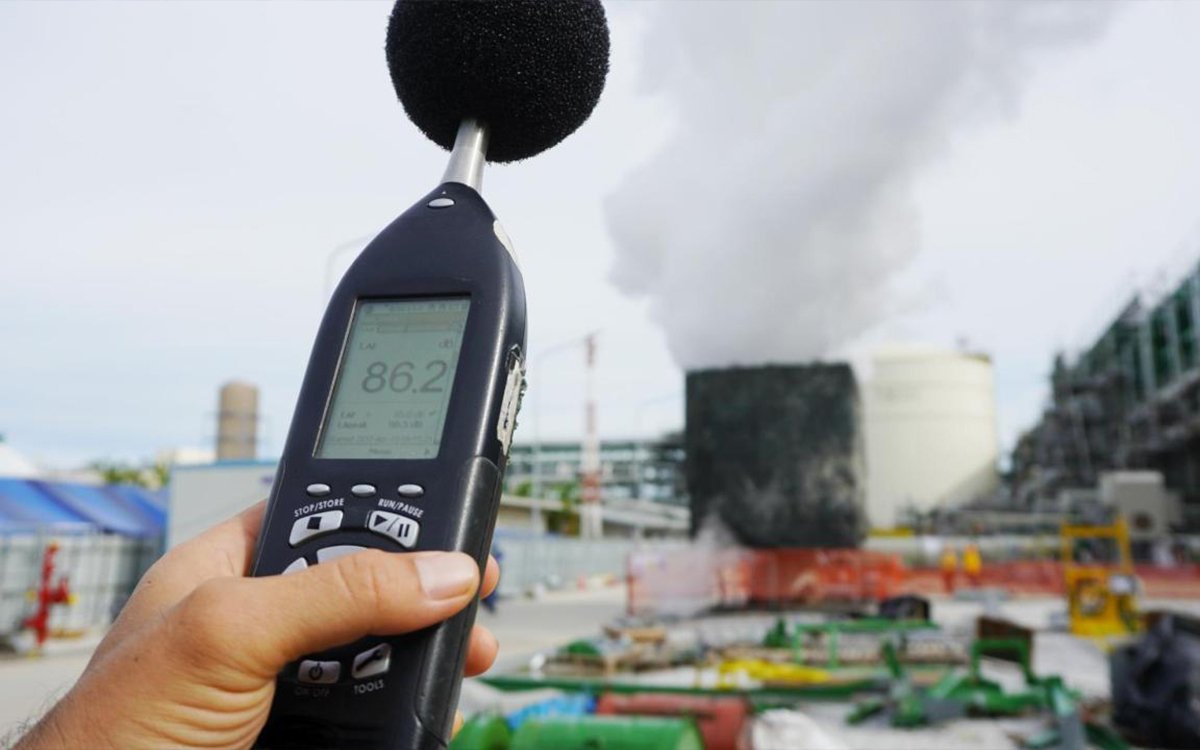
When we think of hearing injury, most of us envision standing too close to speakers at a concert, operating power tools without protection, or celebrating with fireworks. While there are obvious concerns, common sounds such as the roar of a blender, the buzz of traffic, or even our favorite music played via earbuds can all impair our hearing ability.
Noise-induced hearing loss (NIHL) is a frequent and preventable sensory disease. According to the World Health Organization (WHO), approximately 1 billion people aged 12 to 35 are at danger from harmful listening habits. Hearing impairment frequently occurs gradually and painlessly, so people may not notice until it is too late. Once damaged, the microscopic components in your inner ear do not heal—prevention is essential.
In this post, we’ll look at how sound works, where hidden noise threats exist, how noise impacts your health, and simple steps you can take to preserve your hearing without giving up your favorite activities.
- Understanding Sound and Safe Listening Levels
Sound is measured in decibels (dB). A-weighted decibels (dBA) are commonly used by specialists to describe how humans hear. The hazard of sound is determined by the intensity and length of exposure. Here’s guidance for safe listening levels: – Below 70 decibels: Safe for any length. – 85 decibels: Limited to 8 hours each day. – Every 3 dB above 85 reduces safe time by half.
- 88 dBA = 4 hours
- 91 dBA = 2 hours
- 94 dBA = 1 hour
- 100 dBA = 15 minutes or less
It is important to consider both volume and exposure time. A sudden strong sound, such as a horn blast (110 dB), might destroy your hearing right once, but long-term exposure to moderate noise, such as city traffic at 88 dB, can be just as detrimental.
- The Everyday Noise Culprits You Might Be Ignoring
Here are some common causes of noise at home, on the road, and during leisure time.
Each option has three elements, which include:
The first component is the sound producer, which might damage your hearing.
The second component is the strength of the sound.
The third section discusses the dangerous situations that cause it.
**At Home**
– Hairdryers: 90–95 dBA — Using one daily adds up.
– Blenders: 94–100 dBA — Loud and sudden.
– Vacuum cleaners: 85–90 dBA — Frequent use adds exposure.
– Lawn mowers: 90–100 dBA — Especially risky without ear protection.
**On the Road**
– Driving with windows down: 85–90 dBA from wind and engine noise.
– Motorcycles: 95–110 dBA — Modified bikes can be louder.
– Honking cars or sirens: 110+ dBA.
**Leisure & Entertainment**
– Headphones at high volume: 100–110 dBA — Just a few minutes can harm.
– Live sports: 105–120 dBA — Stadiums are extremely loud.
– Nightclubs: 100–110 dBA — Hours of loud music = permanent damage.
**Work & Public Places**
– Open offices: 60–70 dBA — Not damaging but mentally draining.
– Busy restaurants: 80–90 dBA — Makes talking stressful.
– Train stations: 90–115 dBA — Noise peaks during arrivals.
**At School & Educational Settings**
-School bell: 85–100 dBA –– Loud and abrupt.
-Cafeteria: 85–95 dBA –– High ambient noise level.
-Gymnasium: 90–100+ dBA –– Echo + shouting = danger zone.
-Pep rallies: 100+ dBA –– Can reach concert-level noise.
**For Children**
-Electronic toys: 90–120 dBA -–– Many violate safety standards for kids.
-Tablets with speakers: 85–100 dBA –– Volume often maxed out.
-Screaming/shouting: 90–110 dBA –– Especially indoors — can hurt young ears.
-School buses: 85–95 dBA –– Long-term exposure risk for daily riders.
**Social & Public Spaces**
-Restaurants: 80–95 dBA –– Background noise can be high and fatiguing.
-Shopping malls: 75–90 dBA ––Music + crowds = unexpected exposure.
-Sporting events: 100–130+ dBA –– Extremely dangerous without earplugs.
-Festivals: 95–120+ dBA –– Fireworks, drums, speakers — hazardous mix.
**Emergency & Sudden Danger Noises**
-Fire alarms: 95–115 dBA –– Very loud and piercing by design.
-Home security alarms: 100–120 dBA –– Sudden onset + high frequency tones.
-Car alarms: 100–110 dBA –– Risk increases if triggered near you.
**Chronic Background Noise**
-HVAC systems: 60–80 dBA –– Long-term stress and fatigue contributor.
-Street noise: 70–85 dBA –– Especially in urban areas.
-Low-volume devices: 70–85 dBA –– Adds up to mental and hearing fatigue.
-Notification sounds: 75–85 dBA –– Distracting and fatiguing over time.
**Around Pets & Animals**
Barking dogs: 90–115 dBA –– Especially risky indoors or near children
Bird squawking: 85–100 dBA –– Sudden and high-pitched
Pet toys: 90–100 dBA –– Loud at close proximity
So be cautious of these regular sounds that surround you. They may appear to be simple and harmless, but some of them can harm your hearing even after a short period of use, while others might harm your hearing over time.
- How Noise Damages Your Hearing
The cochlea is a spiral-shaped organ located inside your ear that contains small hair cells known as stereocilia. These cells transmit sound impulses to the brain. Loud noise bends them too far—and once broken, they do not grow back. These cells are valuable, and you should take care of them because if they are injured, there is no way to treat them.
There are two kinds of hearing damage:
– Sudden (acute): From loud blasts like fireworks and happens in short time of being in the face.
– Gradual (chronic): From everyday exposure over months or years.
- Early Warning Signs You Shouldn’t Ignore
Noise-induced hearing loss frequently begins without noticeable symptoms. Watch out for:
– Ringing or buzzing in your ears (tinnitus), it is kind of sound that you hear in your ears or head without external, real audio input.
– Needing higher volume on your TV or phone.
– Difficulty hearing in noisy places. – Feeling like people are mumbling.
- More Than Just Ears: Whole-Body Effects of Noise
Noise affects more than just hearing.
– It raises stress hormones, affecting blood pressure.
– It disrupts sleep, even at low levels.
– It contributes to anxiety, irritability, and fatigue.
– It can even increase the risk of dementia.
- Practical Ways to Protect Your Hearing
– **Turn it Down** Follow the 60/60 rule — 60% volume for no more than 60 minutes.
– **Use Ear Protection** Foam earplugs, earmuffs, or custom plugs all reduce sound.
– **Limit Exposure** Take quiet breaks during the day.
– **Stay Back** Moving away from the source reduces sound levels.
– **Pick Quieter Devices** Check decibel ratings before buying.
If you live in a noisy neighborhood, consider using soundproof drapes or white noise devices to improve your sleep. Parents should be extra cautious with their children’s toys, as some make shockingly loud noises. There are apps available that assess real-time noise levels around you, letting you know when it’s time to move away or cover your ears.
- When to See an Audiologist
If you have continual ringing, difficulty following conversations, or notice unexpected hearing changes, consult a doctor. Early assessment and intervention can have a tremendous impact. Audiologists check hearing health using non-invasive tests such as pure-tone audiometry and speech-in-noise.
- Protecting Children and Teens
Young ears are especially sensitive. Set volume limitations for their devices, avoid giving children noisy toys, and promote frequent pauses. Educate kids that louder does not indicate better; rather, it means riskier.
Conclusion
From early alarms to late-night entertainment, we are surrounded by noise. Although these sounds appear to be harmless, they can inflict long-term damage. However, with simple precautions like turning down the level, wearing ear protection, and scheduling regular check-ups, you can protect your hearing for years to come. You only get one pair of ears, so protect them!


